Content model first
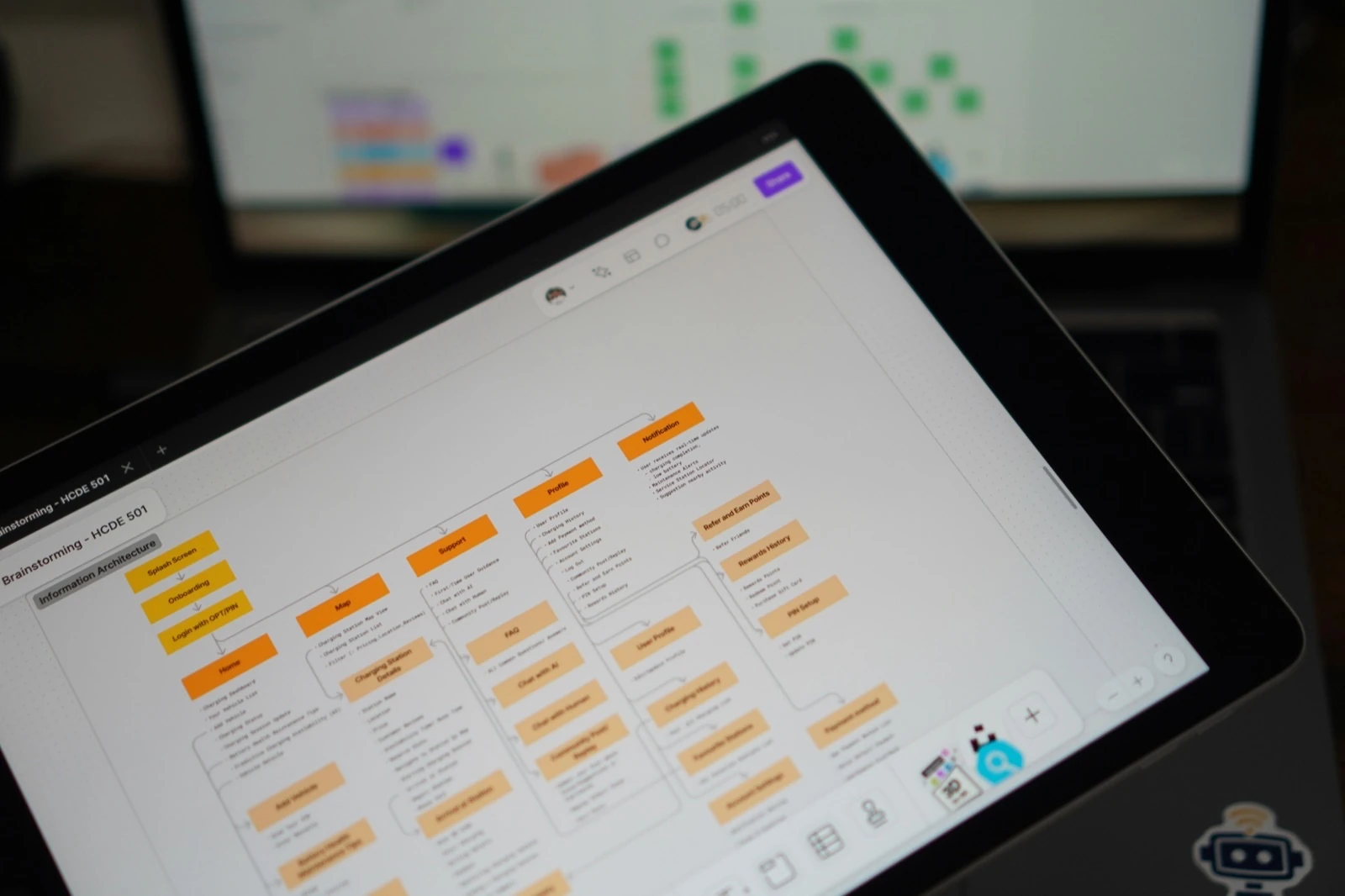
We define post types, fields, and relationships in WordPress before choosing the frontend framework.
That prevents the API from becoming a dumping ground of unstructured blobs that are painful to render and migrate.
WordPress stays your editorial system; visitors get a lean, modern frontend—without a risky full replatform or losing years of content structure.

We separate content authoring in WordPress from the public experience your visitors load—using APIs, static generation, or edge-hosted frontends depending on the brief.
Editors keep familiar workflows; engineering gets a presentation layer that can meet aggressive performance and release cadence. We plan caching, preview, and deployment so the split does not become two disconnected projects.
We define post types, fields, and relationships in WordPress before choosing the frontend framework.
That prevents the API from becoming a dumping ground of unstructured blobs that are painful to render and migrate.

Public pages are built for sub-second delivery—static where possible, dynamic only where the brief requires it.
We document what is regenerated on publish, what is incremental, and what requires invalidation across CDNs.
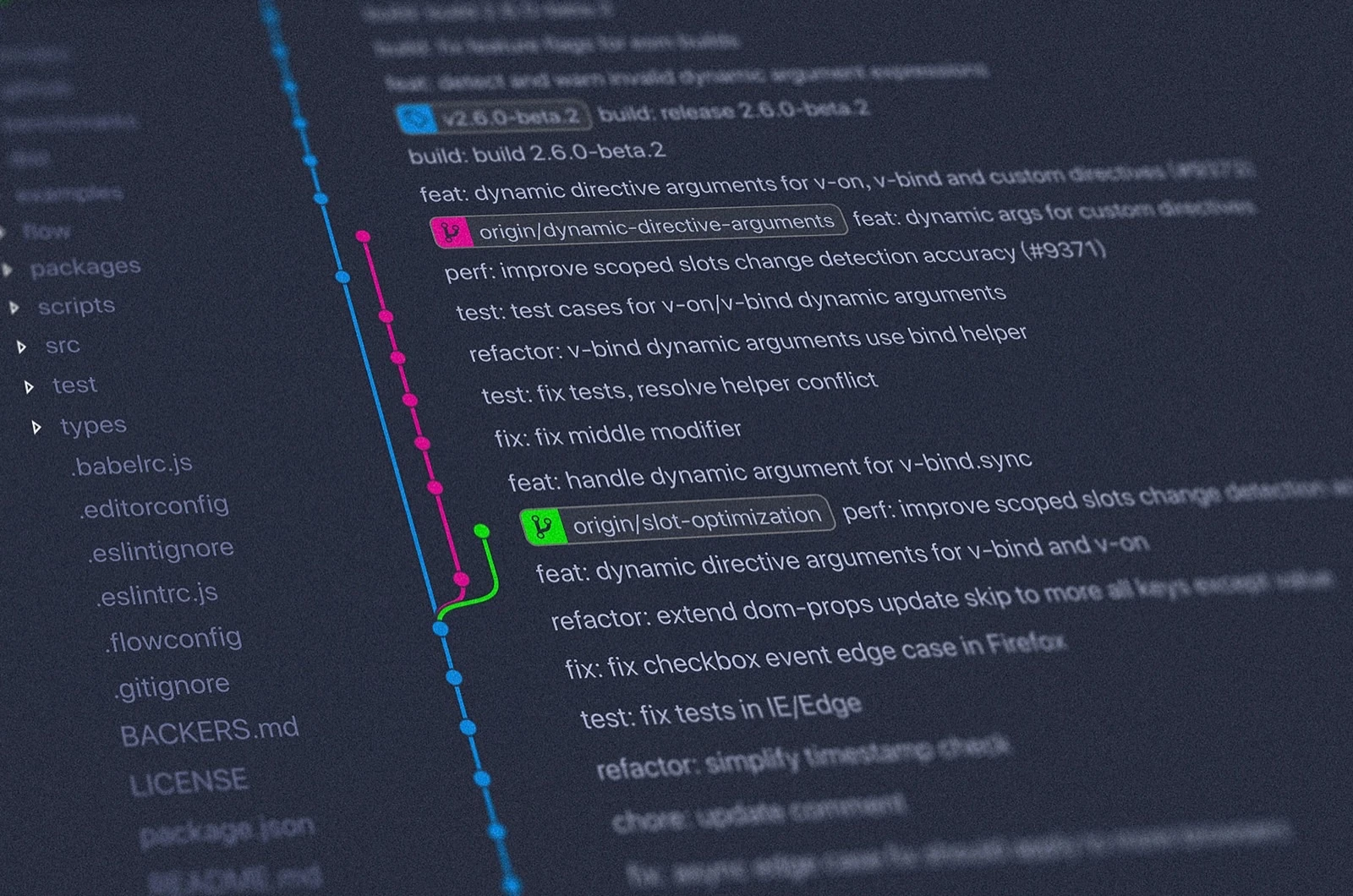
Preview URLs, staging, and production promotion mirror how your team already ships campaigns.
We avoid headless setups that require a developer for every headline change—that defeats the purpose of keeping WordPress.

Headless engagements include API contracts, hosting choices, and editor workflows—not only a trendy JavaScript stack.
REST or GraphQL surfaces are shaped for the templates you actually render, with versioning and error handling spelled out.
Consumers—Next.js, Astro, or mobile apps—get stable contracts instead of ad hoc endpoints per campaign.

Draft and scheduled content behave predictably so marketing can trust what they see before publish.
We align preview hosting with production constraints so surprises do not appear only after go-live.
We recommend edge and origin configuration that matches traffic geography and release frequency.
Release checks cover API schema changes, redirect rules, and search indexing—not only frontend npm builds.
Four ways we partner — from first build through launch, scale, and every release after.
We turn your design into WordPress your marketing team actually owns: clear pages, sensible patterns, stores that convert.
See how we buildAdd speed, integrations, or a new platform without losing SEO, content, or the CMS your editors already know.
See scaling optionsNot a one-off audit — agreed targets per template so new campaigns and plugins don’t undo the improvement.
See how we measureUpdates, security, hosting guidance, and release support — from people who already know how your site was built.
See how we supportWe reply with a prioritized technical backlog — performance, stability, and conversion friction called out explicitly.