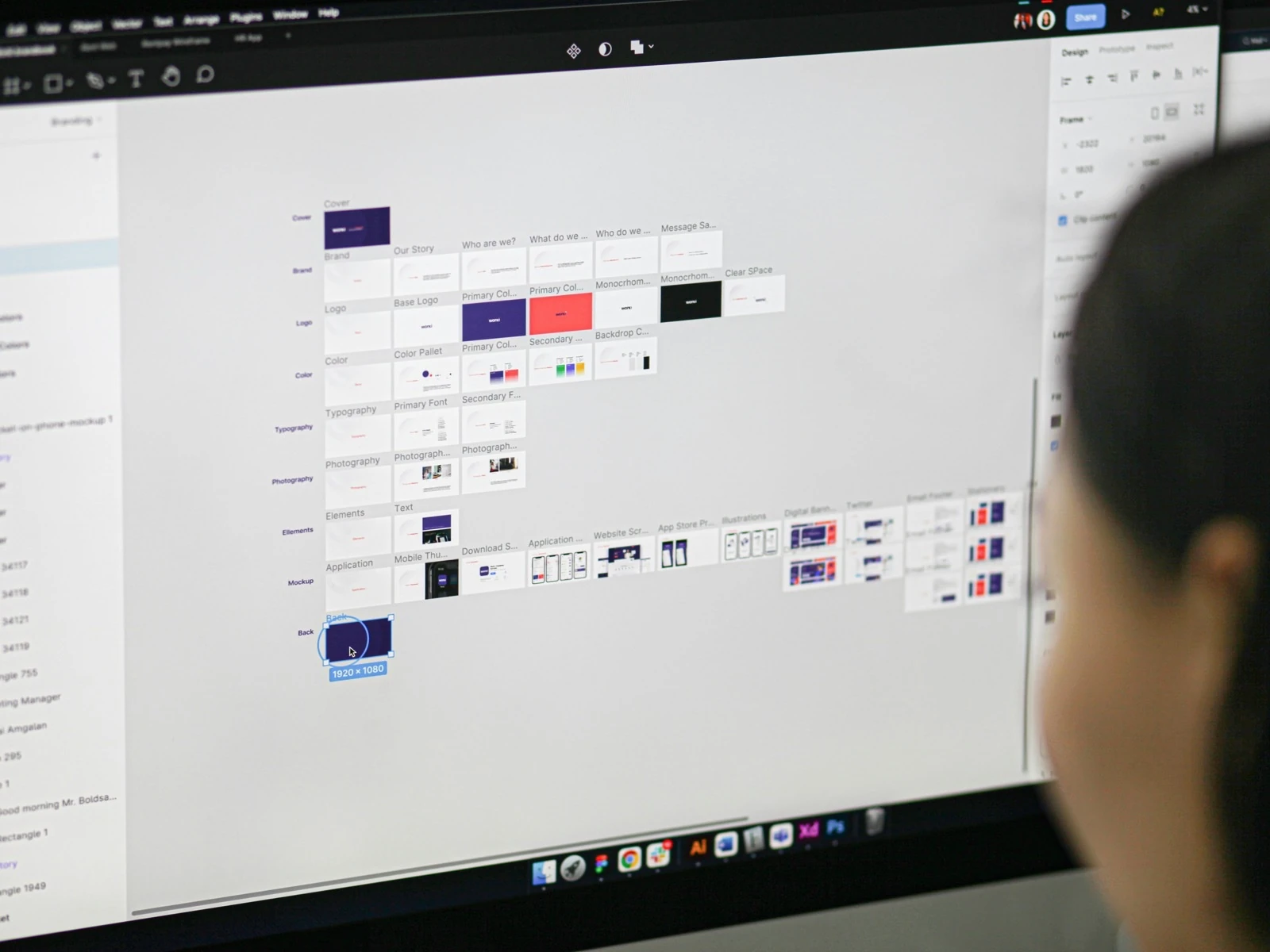
Templates, not just homepage
Homepage green scores mean little if category and article templates regress.
We set budgets per template family—listing, detail, checkout, campaign landing—based on traffic and revenue impact.
Agreed performance targets per template family—so new campaigns, merchandising, and plugin updates are checked before they erode Core Web Vitals.
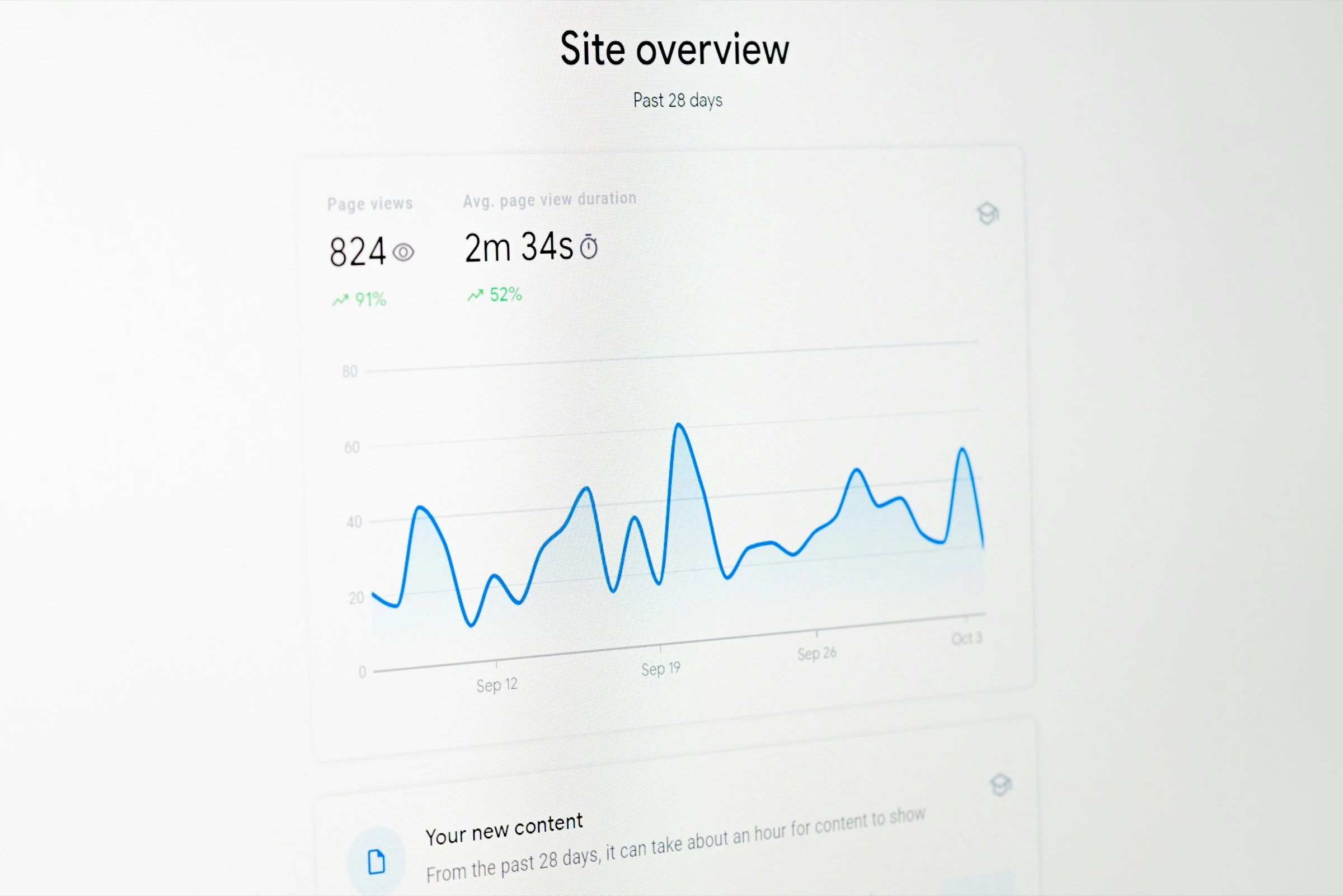
We define performance budgets for your WordPress templates—weight, script count, and Core Web Vitals thresholds—then embed them in your release process.
Budgets are practical: tied to real URLs and editor actions, not abstract numbers no one enforces. We help your team adopt checks before publish and before plugin updates go to production.
Homepage green scores mean little if category and article templates regress.
We set budgets per template family—listing, detail, checkout, campaign landing—based on traffic and revenue impact.

Pull requests and pre-publish checks verify budgets before merge or go-live.
We document who approves exceptions when marketing needs a heavier hero for a specific campaign.

When a plugin update breaks a budget, the failure is obvious and attributable.
We maintain a short list of recurring offenders—sliders, tag managers, chat widgets—to speed triage.
Budget work includes tooling recommendations, editor guidelines, and periodic reverification.

We spell out what editors can add to a page without triggering review—and what requires a developer.
Image dimensions, embed rules, and block usage are part of the same governance story.
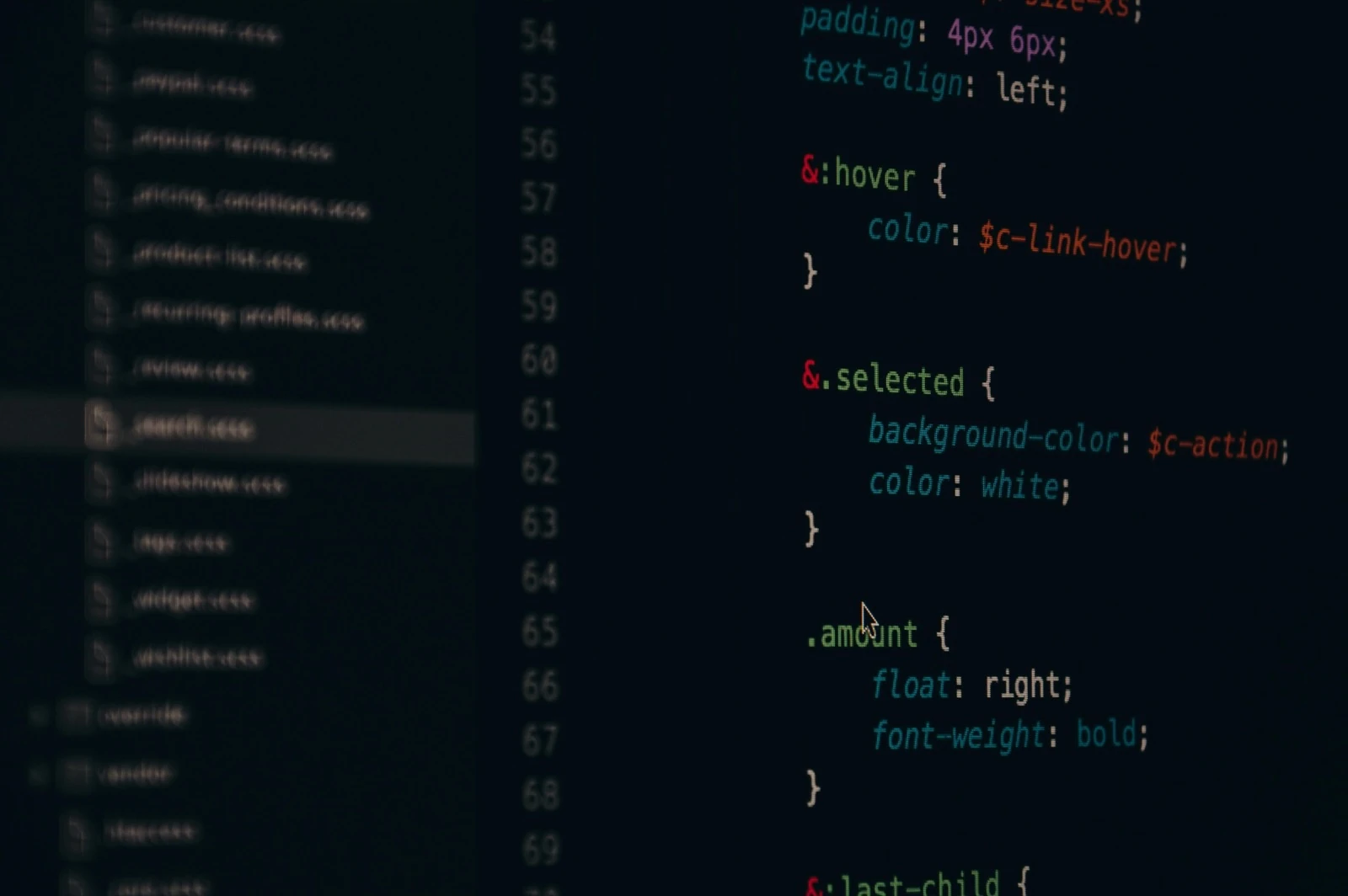
CI or staging scripts catch regressions before production.
We integrate with your workflow instead of introducing a separate bureaucracy nobody follows.

Leadership sees trend lines on priority URLs, not one-off Lighthouse screenshots.
We align metrics with how you already report—analytics, Search Console, or internal dashboards.
Four ways we partner — from first build through launch, scale, and every release after.
We turn your design into WordPress your marketing team actually owns: clear pages, sensible patterns, stores that convert.
See how we buildAdd speed, integrations, or a new platform without losing SEO, content, or the CMS your editors already know.
See scaling optionsNot a one-off audit — agreed targets per template so new campaigns and plugins don’t undo the improvement.
See how we measureUpdates, security, hosting guidance, and release support — from people who already know how your site was built.
See how we supportWe reply with a prioritized technical backlog — performance, stability, and conversion friction called out explicitly.